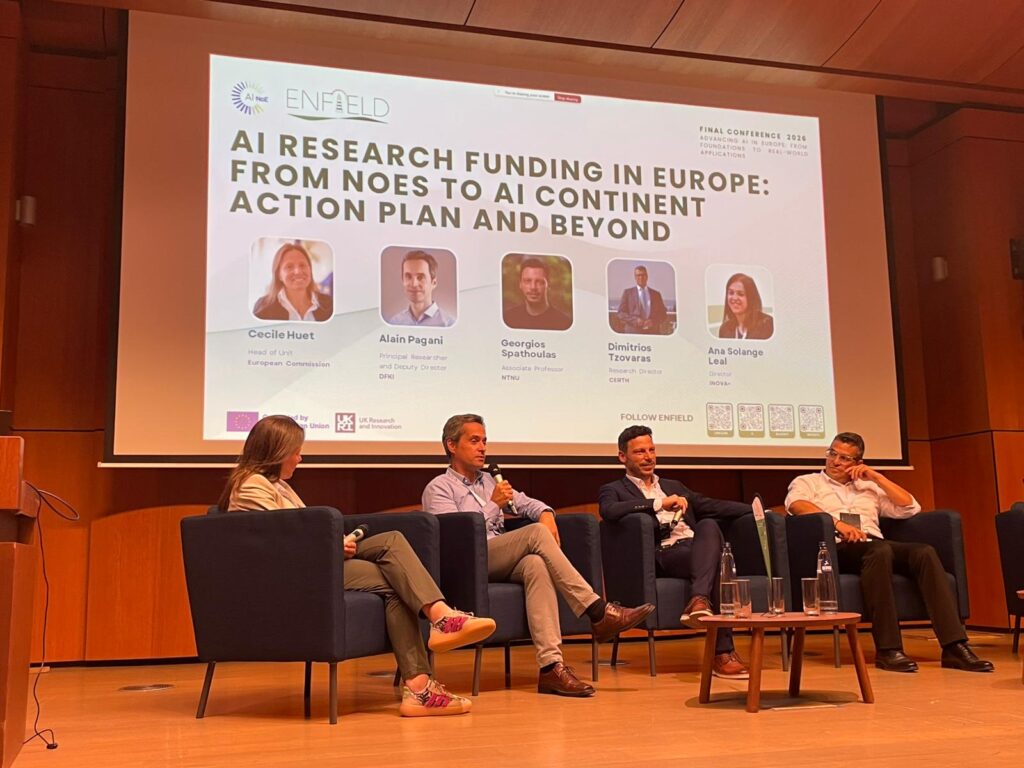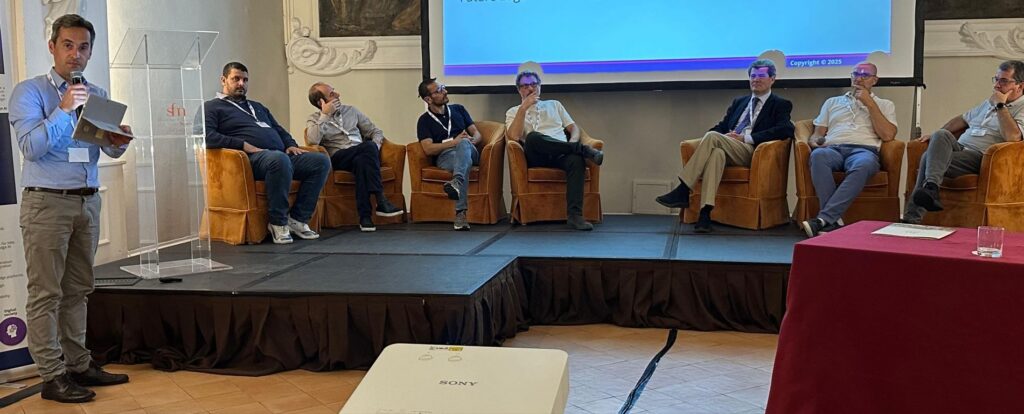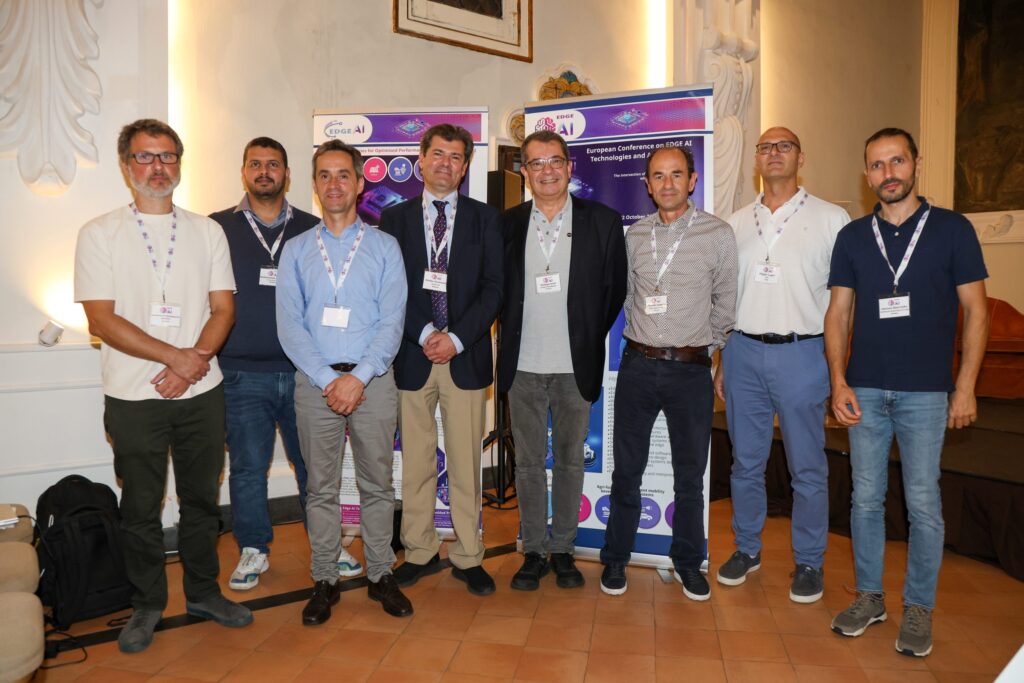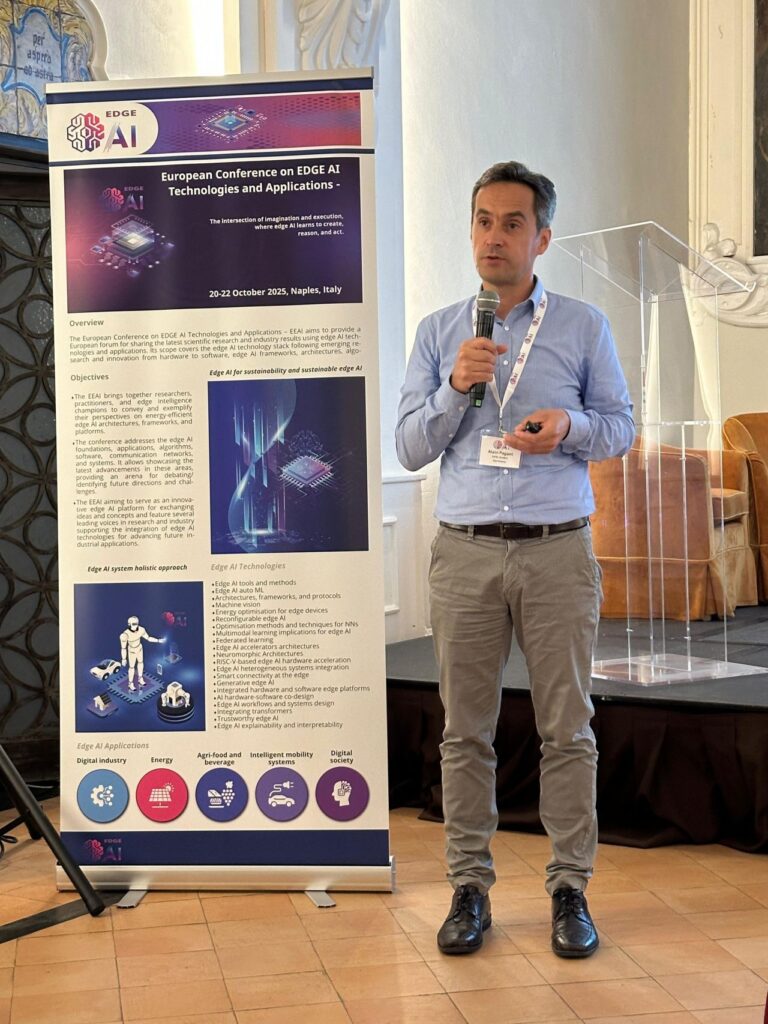
At the European Conference on Edge AI Technologies and Applications (EEAI 2025), held in Naples on October 22nd-24th, Dr. Alain Pagani from DFKI’s Augmented Vision department moderated the panel “Future Edge AI Technologies and Applications: Trends and Development Landscape.”
The session gathered key experts from leading European projects and organisations — SINTEF, CNIT, TTTech Auto, Eclipse Foundation, EXAPSYS, Technical University of Crete, and STMicroelectronics — to discuss how Europe can strengthen its innovation ecosystem, bridge the skills gap, and advance open, sovereign Edge AI technologies.
The discussion reflected the shared goals of dAIEDGE, the Network of Excellence on Edge AI coordinated by DFKI.
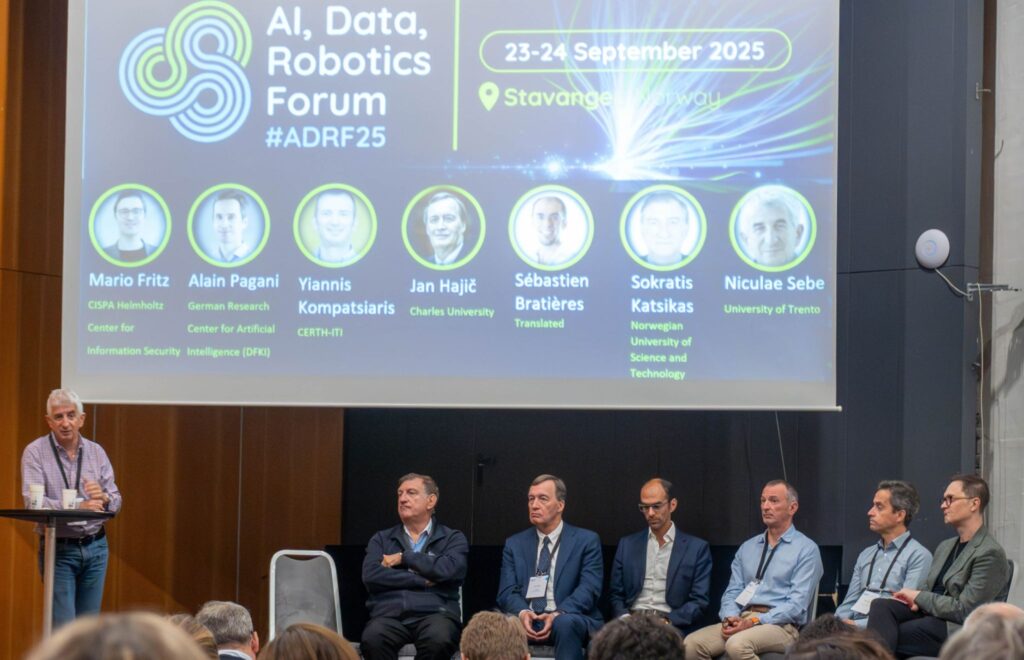
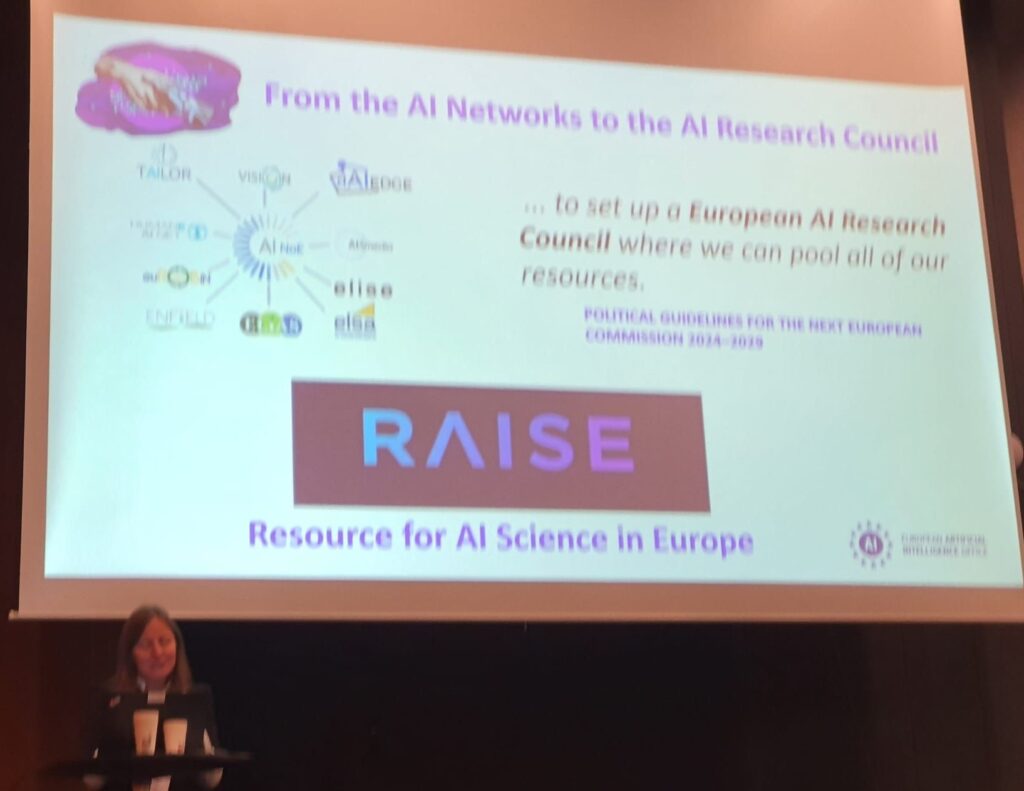
The Science for AI workshop was held on 24 September 2025 as part of the ADRF2025 forum in Stavanger, Norway. Opened by Cecile Huet (European Commission) and moderated by Miguel Angel Rubio, the workshop brought together leading experts to discuss the future of European AI research infrastructures and the forthcoming RAISE (Resource for AI Science in Europe), a virtual institute aiming to align Europe’s compute, data, talent, and funding resources.
Panelists included Mario Fritz (CISPA Helmholtz Center for Information Security), Yiannis Kompatsiaris (Centre for Research & Technology Hellas), Jan Hajicč (Charles University), Sébastien Bratières (Translated), Sokratis Katsikas (Norwegian University of Science and Technology), Nicu Sebe (Università di Trento), and Dr. Alain Pagani, from DFKI Augmented Vision department. Representing DFKI and the European Network of Excellence dAIEDGE, Dr. Pagani emphasized the potential of distributed AI at the edge to deliver more sustainable AI solutions and reinforce Europe’s strategic position in the global AI landscape. The workshop highlighted how Science for AI can evolve into a cornerstone of Europe’s future research and innovation ecosystem
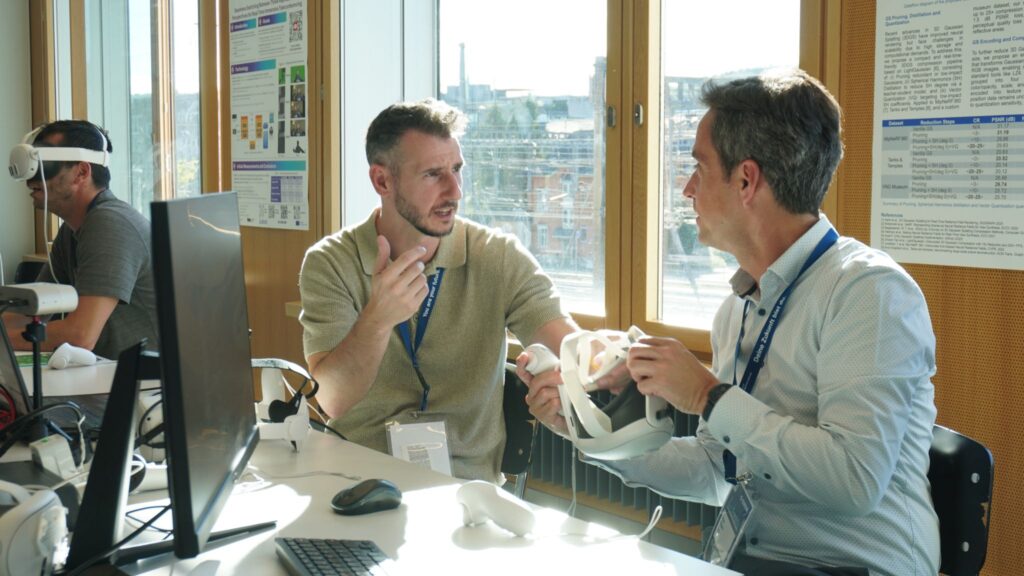
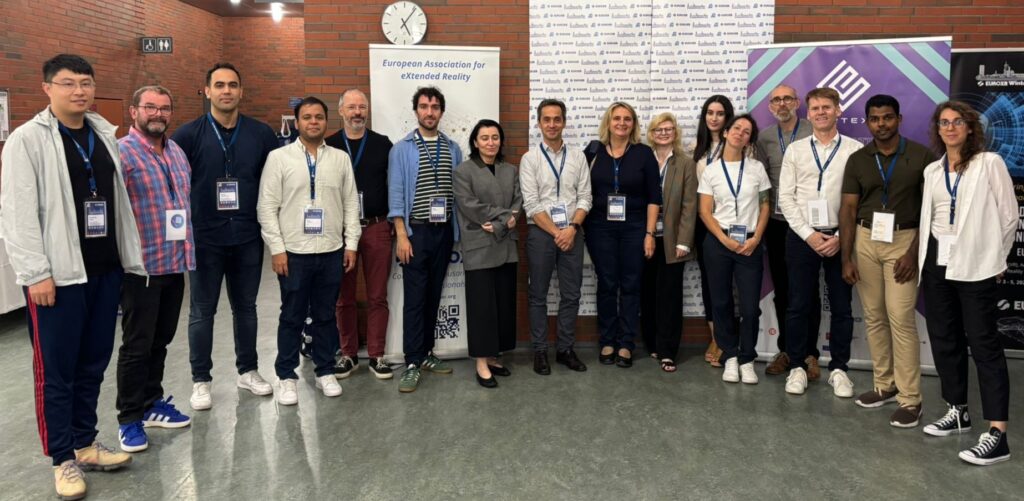
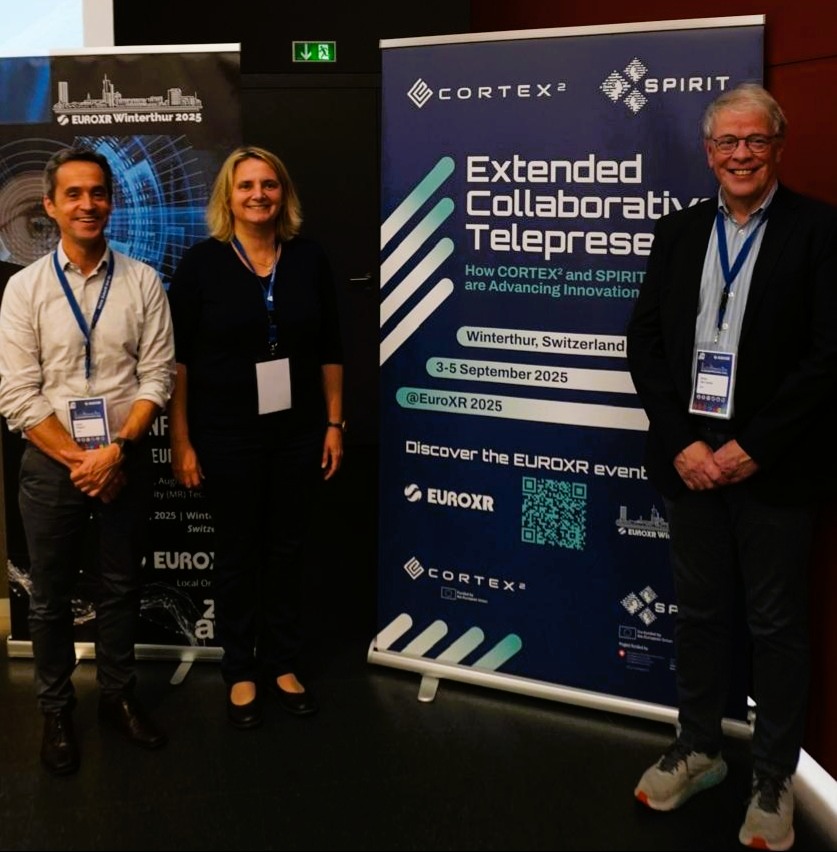
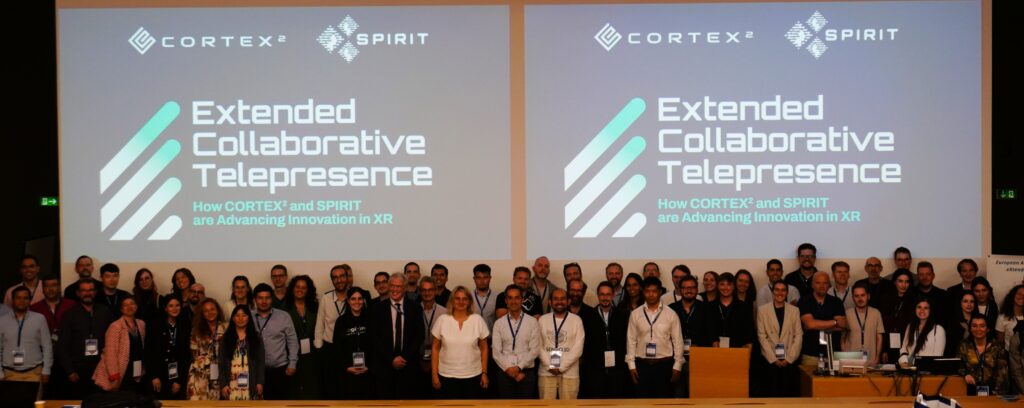
On 3–4 September 2025, the final event of the CORTEX² and SPIRIT projects took place as a special session of the EuroXR 2025 Conference in Winterthur, Switzerland. The session was co-chaired by Dr. Alain Pagani (DFKI) and Prof. Peter Van Daele (imec/Ghent University) and marked the culmination of more than three years of research and innovation on Extended Reality (XR) Collaborative Telepresence.
Over the course of two days, participants were able to explore the results of both projects through presentations, live demonstrations, and posters. More than 50 funded initiatives showcased their work, and the CORTEX² consortium presented three pilot use cases, including remote industrial collaboration, VR-based training, and immersive business meetings, in front of an audience of over 200 XR experts.
A particular focus of the event was the role of cascade funding under the European Commission’s Horizon Europe programme. This instrument enabled numerous small and ambitious projects to bring forward novel ideas and prototypes, demonstrating the vibrancy and creativity of Europe’s XR innovation ecosystem.
As coordinator of this large project, DFKI could position itself as a central actor in the XR community network, opening the way to new European initiatives around Virtual Worlds and Web 4.0.
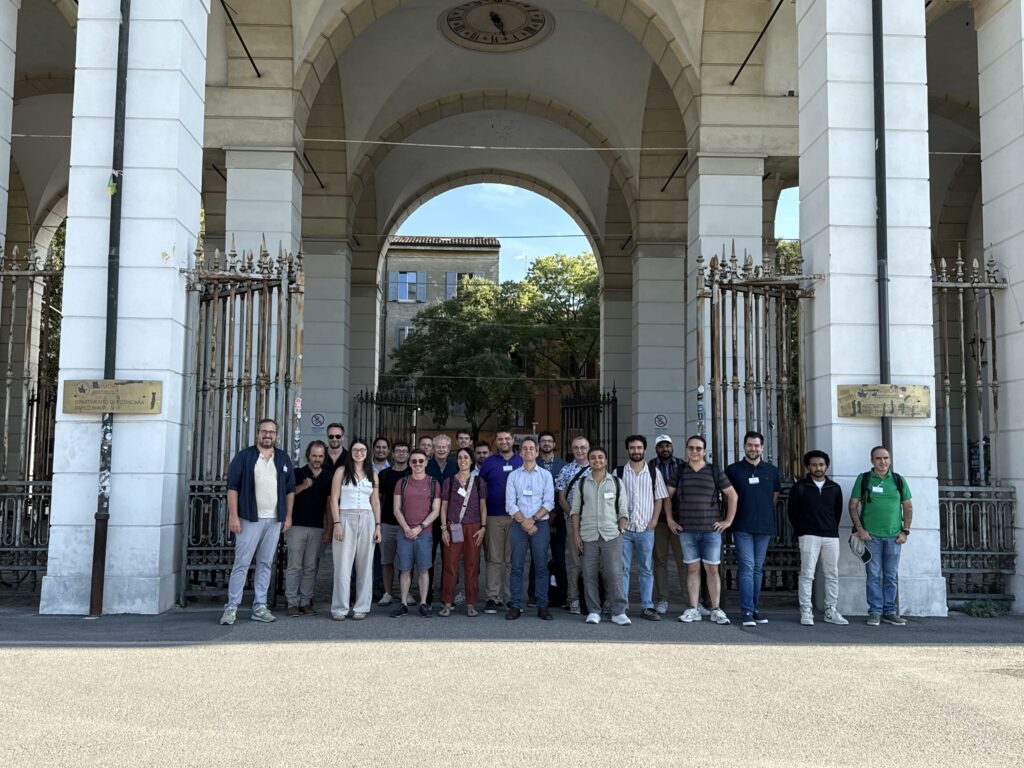
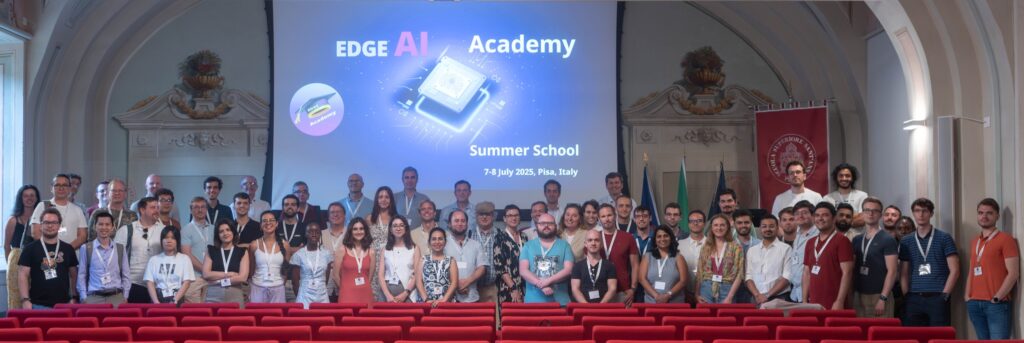
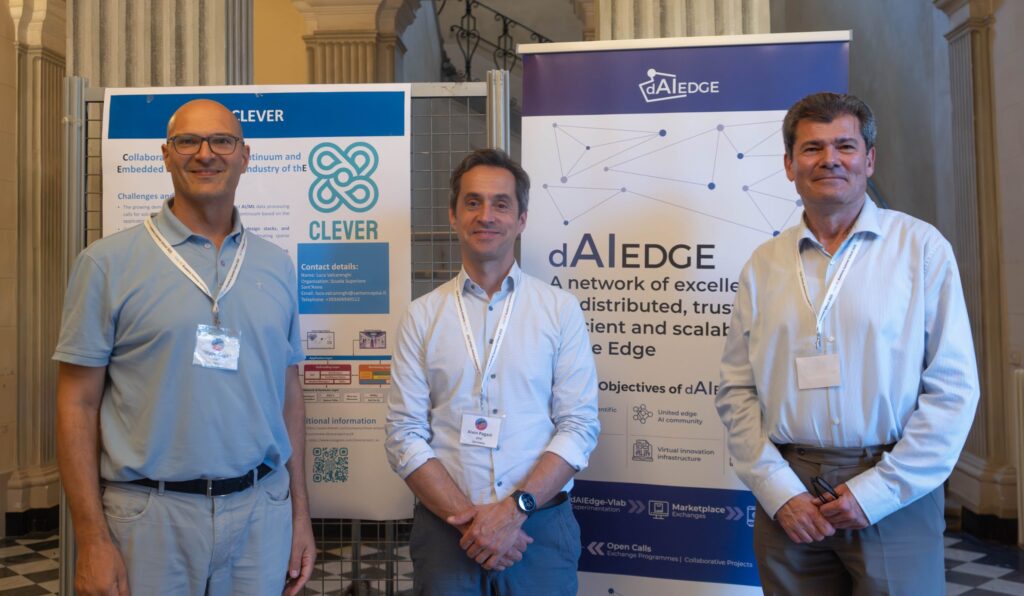
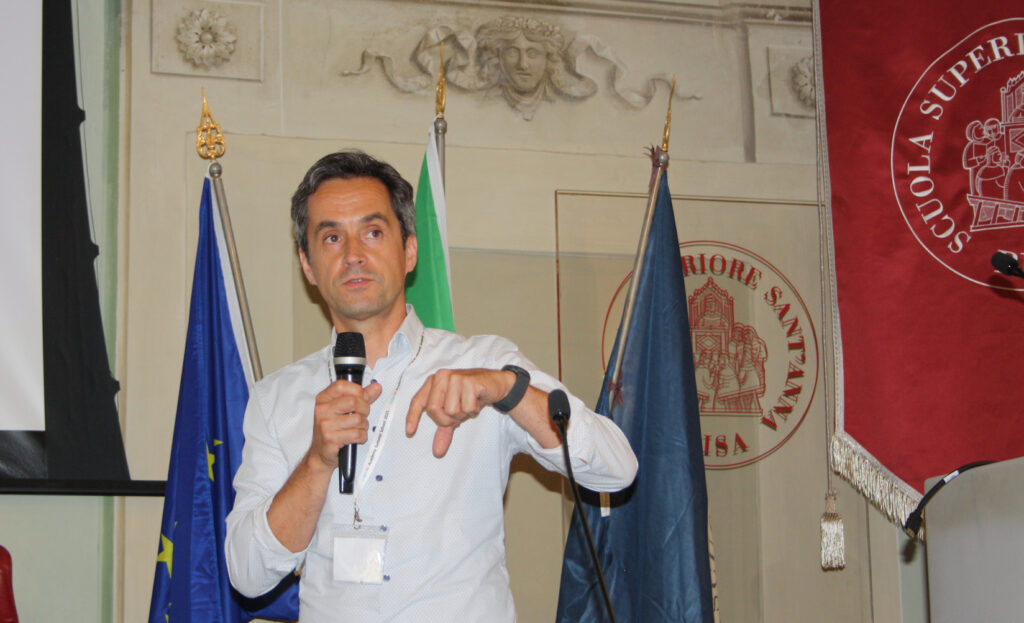
The project dAIEDGE co-organised the Edge AI Academy Summer School 2025, bringing together students, researchers, and industry experts for two days of intensive learning and exchange at the renowned Scuola Superiore Sant’Anna in Pisa. The event was co-organised by the EU-funded project dAIEDGE, alongside Chips JU EdgeAI, CLEVER, REBECCA, TRISTAN, NEUROKIT2E, SMARTY, and SMARTEDGE.
The summer school provided a hands-on, in-depth programme focused on key technologies and challenges in the rapidly evolving field of Edge Artificial Intelligence. Participants engaged in technical sessions covering RISC-V architectures, low-power AI hardware, and real-world deployment strategies for Edge AI systems. The programme encouraged dynamic interaction and fostered collaboration across disciplines and sectors.
Alain Pagani presented a course on “The intelligent edge – Navigating the frontiers of edge AI technology and applications”, together with Ovidiu Vermesan (SINTEF) and Giulio Urlini (ST Microelectronics).
The event not only provided practical training but also served as a platform to promote synergies among major European research initiatives in the Edge AI domain. The success of the summer school reflects a strong commitment to building a vibrant, connected, and forward-looking European Edge AI community.
The Directorate-General for Digital Services (DIGIT) of the European Commission invited the CORTEX2 project to participate in the VR Days 2025, an event organized by the Digital Innovation Lab to promote the adoption of emerging digital technologies within EU services.
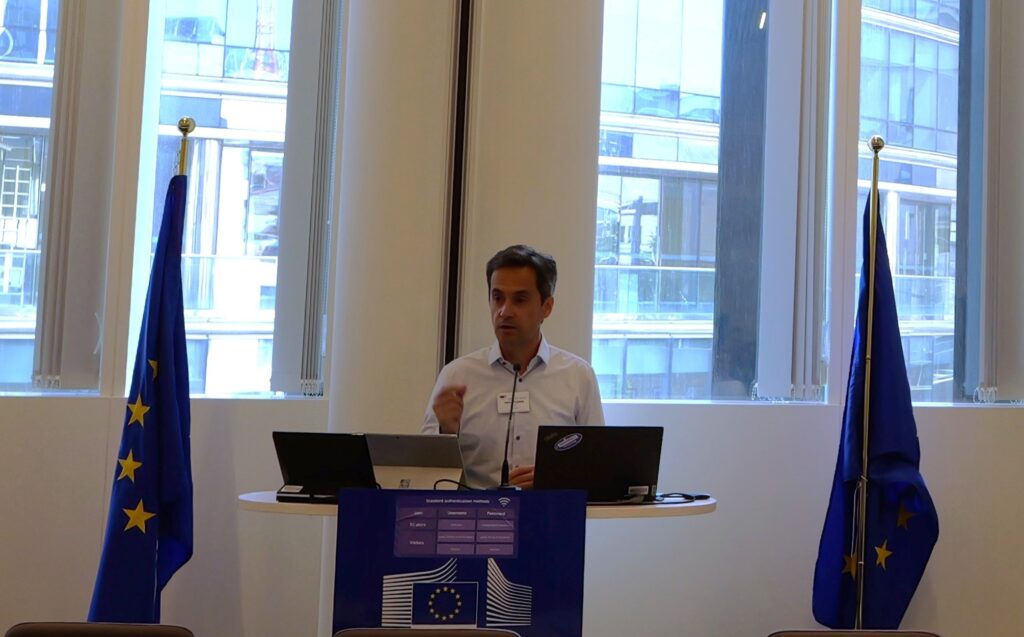
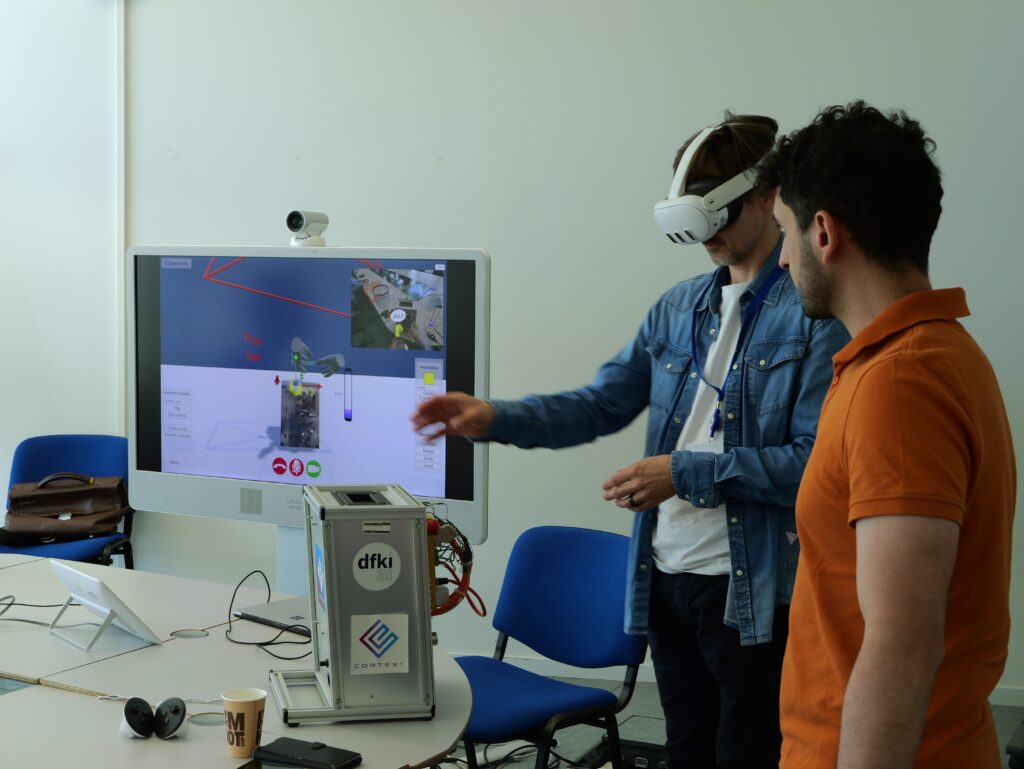
Representing the project, Alain Pagani and Nareg Minaskan from DFKI presented CORTEX2’s remote telecooperation platform during two dedicated sessions: on June 17th in Brussels and June 26th in Luxembourg. The platform was featured through hands-on demonstrations of the industrial remote support pilot, enabling participants to experience immersive telecollaboration in action.
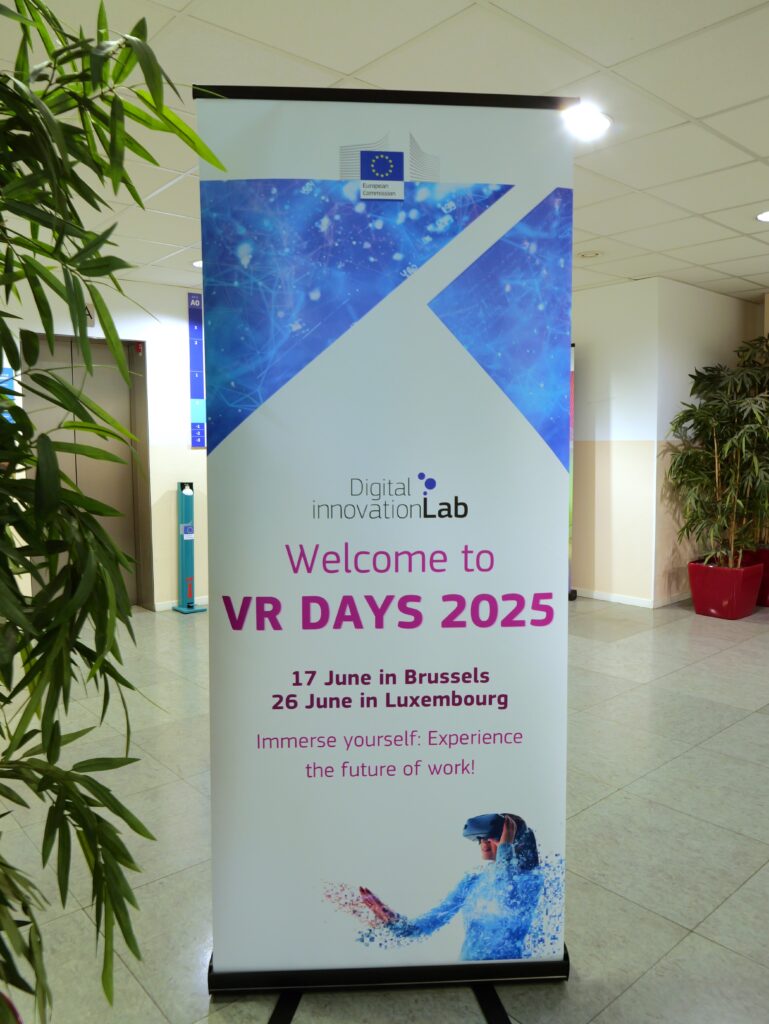
The demonstrations sparked strong interest among the audience, particularly regarding the practical application of immersive technologies and extended reality (XR) in professional environments. The event highlighted the growing potential of XR solutions to enhance remote support and collaboration in industry and public services.
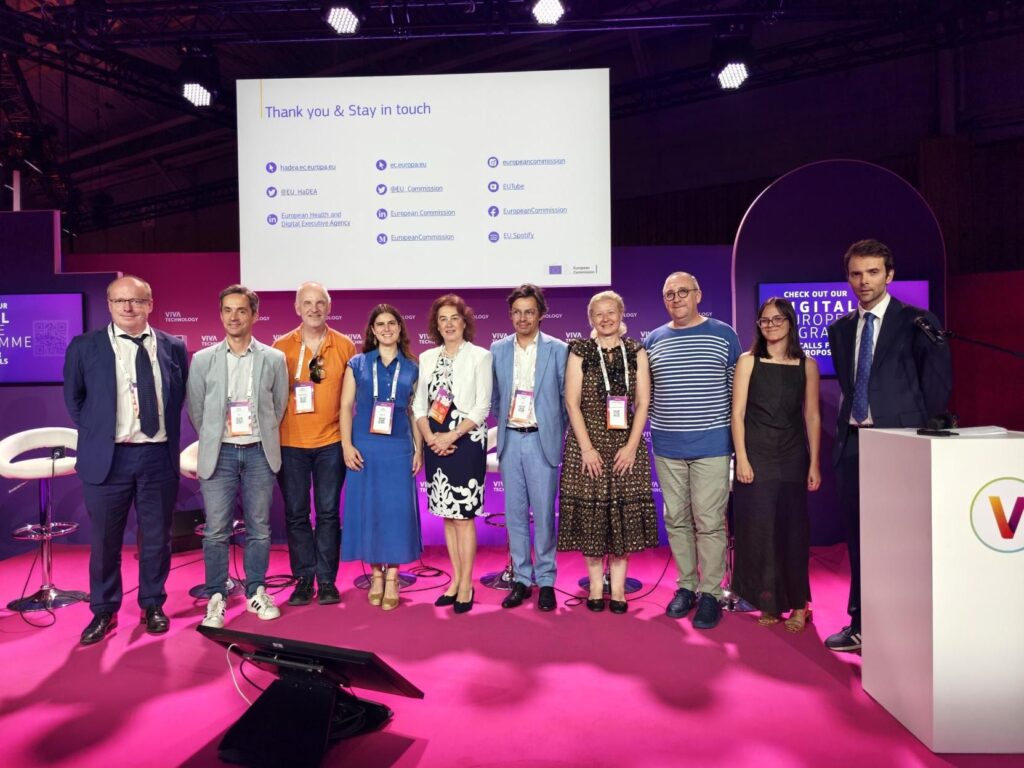
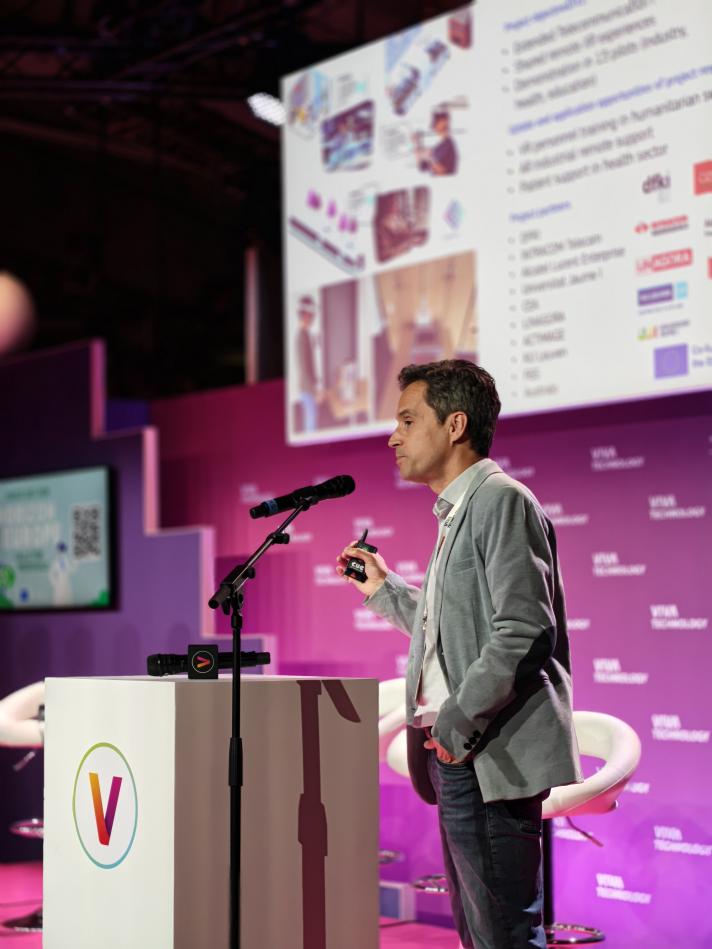
On June 13th, the project CORTEX2 was presented at Viva Technology 2025, during the European Health and Digital Executive Agency (HaDEA) workshop on EU funding for digital technologies.
In this workshop, available funding opportunities for research and innovation in the digital field were presented by Marina Zanchi, Director of HaDE and Jean-François Junger, Deputy Head of Unit at HaDEA, and successful projects were showcased.
For CORTEX2, the coordinator Alain Pagani could highlight the immersive XR-based tools supporting remote collaboration across various sectors, including healthcare, education, business, and industry.
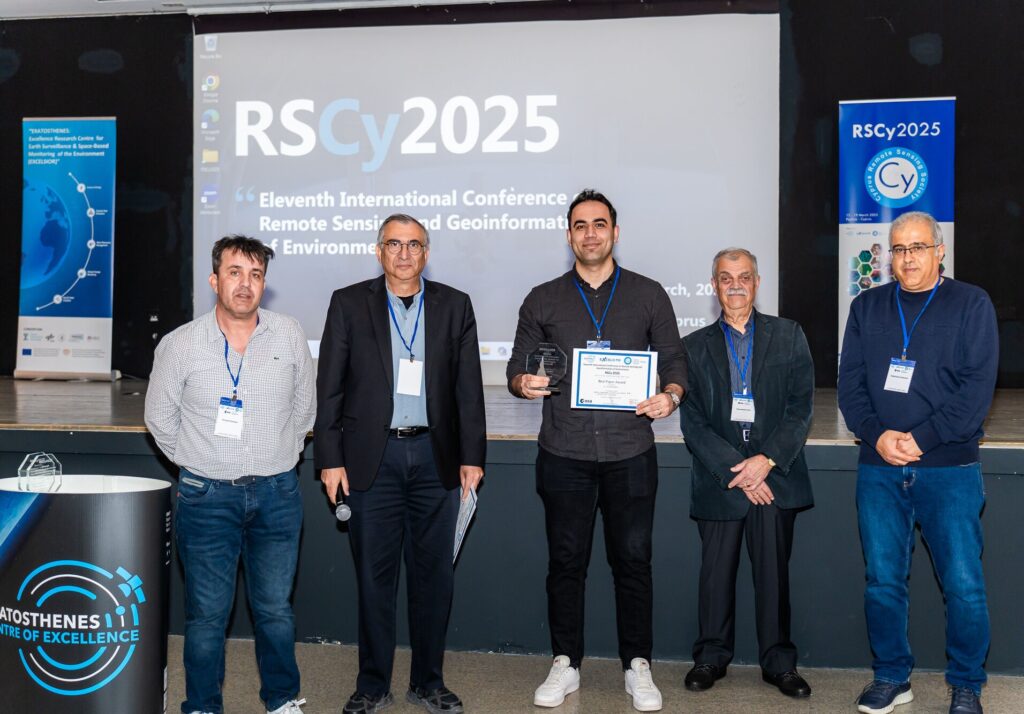
Our paper “Spatio-Temporal Diffusion Model for Satellite Imagery” received the Best Paper Award at the Eleventh International Conference on Remote Sensing and Geoinformation of Environment (RSCy 2025).
Starting from sparse satellite observations, our method predicts how landscapes might evolve in the future with changes such as urban expansions or deforested regions, by leveraging a Diffusion Transformer with temporal layers. By training on open-source Landsat and Sentinel-2 data, the model generates future scenarios from a single reference image and a specified target year. This approach provides powerful insights into environmental changes, supporting both climate impact assessments and resource management.
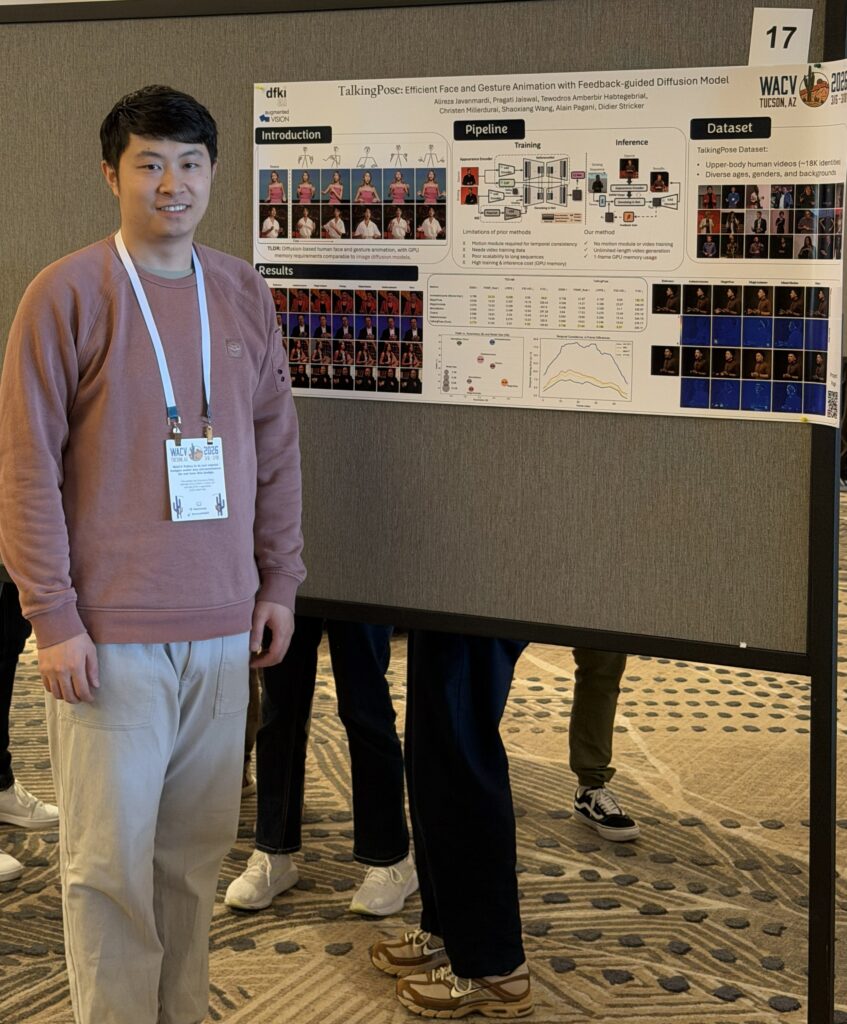
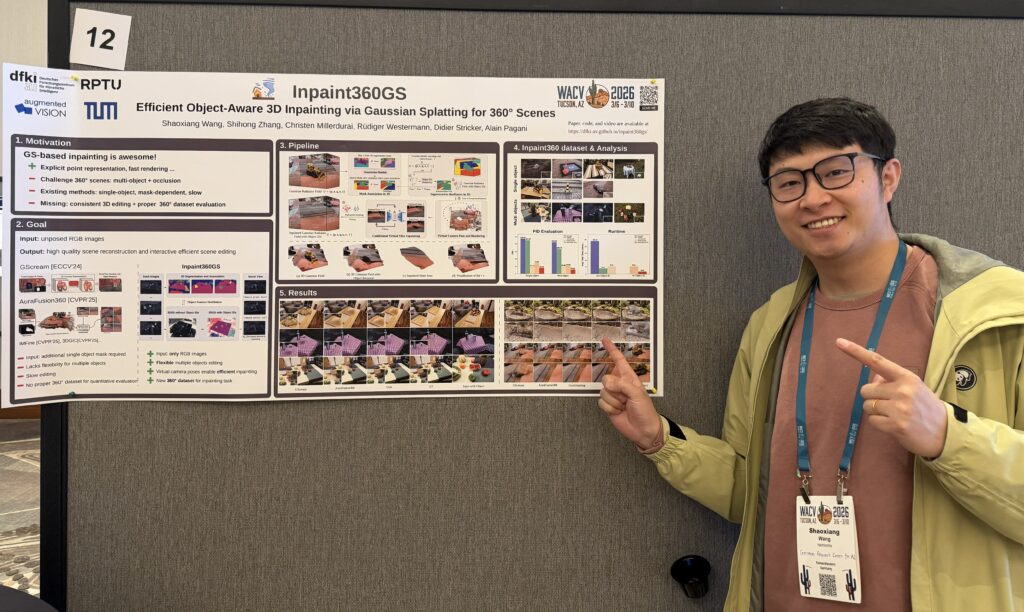
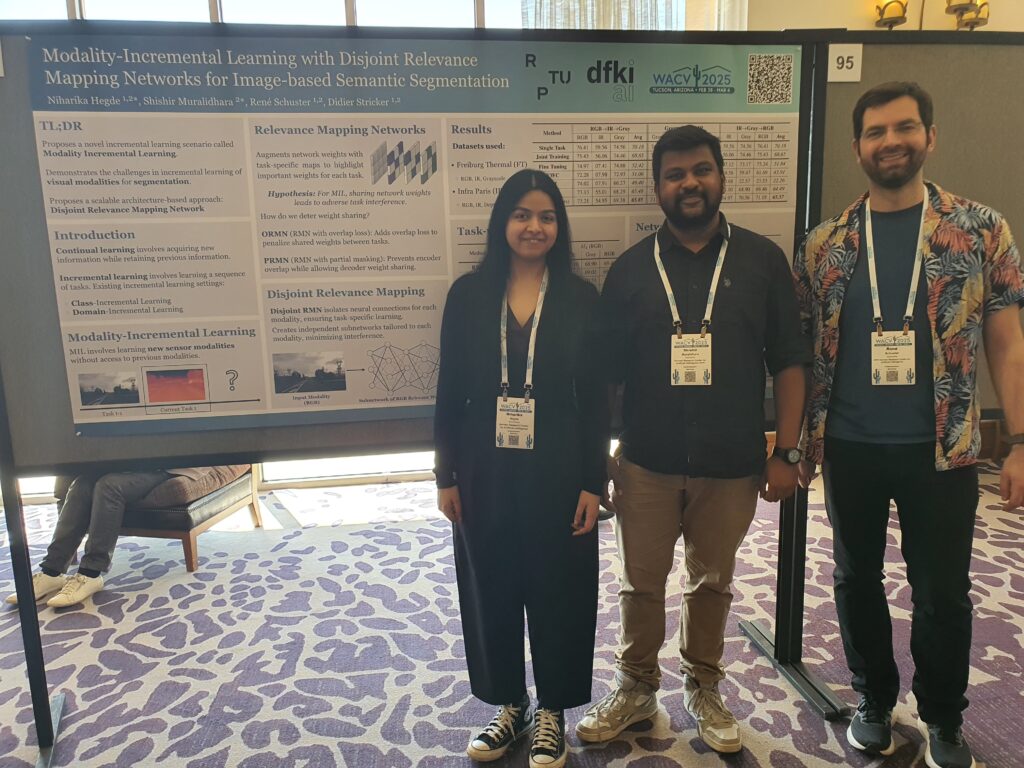
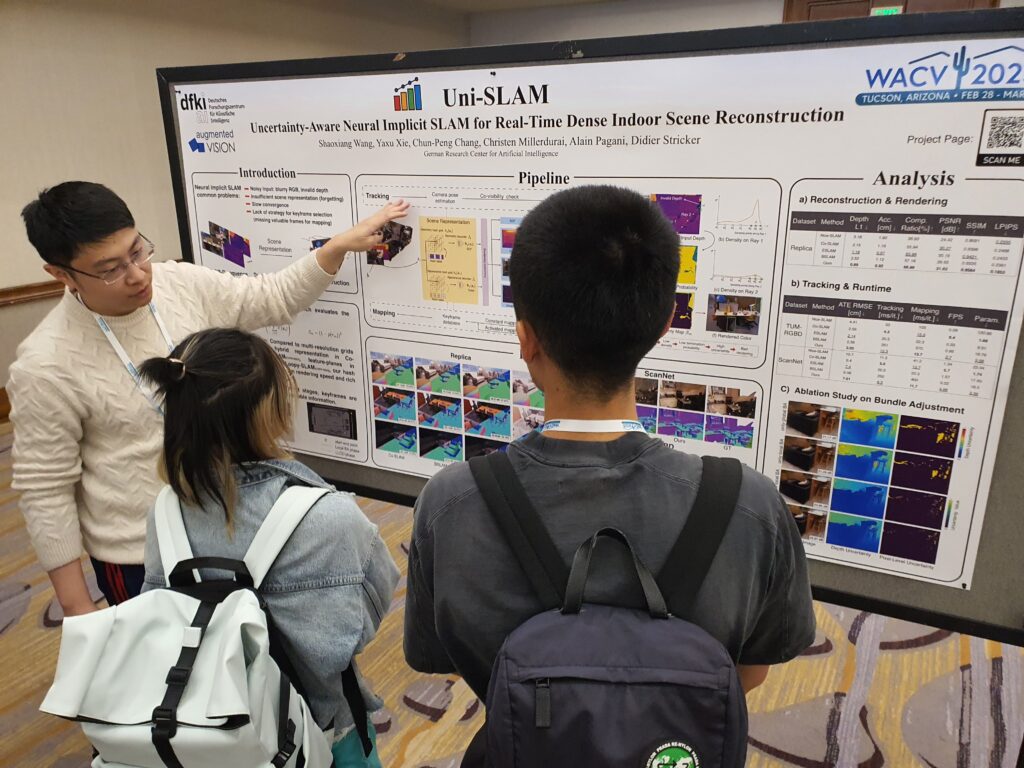
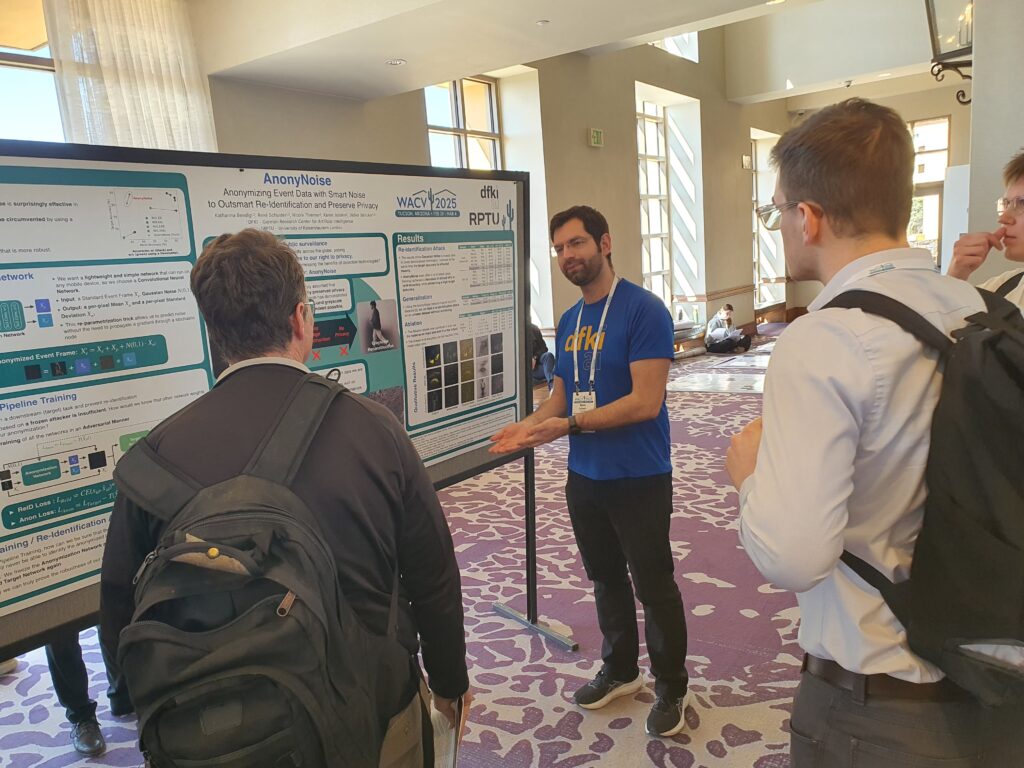
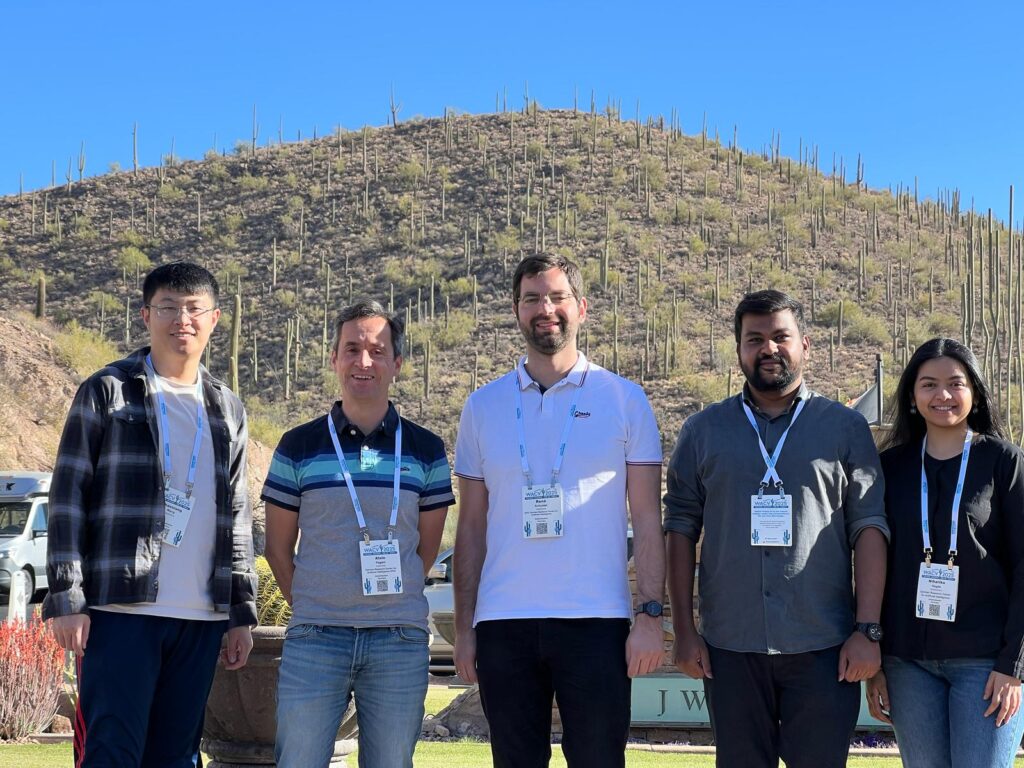
The researchers of the department Augmented Vision have presented 4 papers at WACV 2025 conference taking place Feb 28 – Mar 4, 2025 in Tucson, Arizona, USA.
The IEEE/CVF Winter Conference on Applications of Computer Vision (WACV) one of the three major Computer Vision conferences organized by TCPAMI.
“AnonyNoise: Anonymizing Event Data with Smart Noise to Outsmart Re-Identification and Preserve Privacy”, Katharina Bendig, René Schuster, Nicole Thiemer, Karen Joisten, Didier Stricker
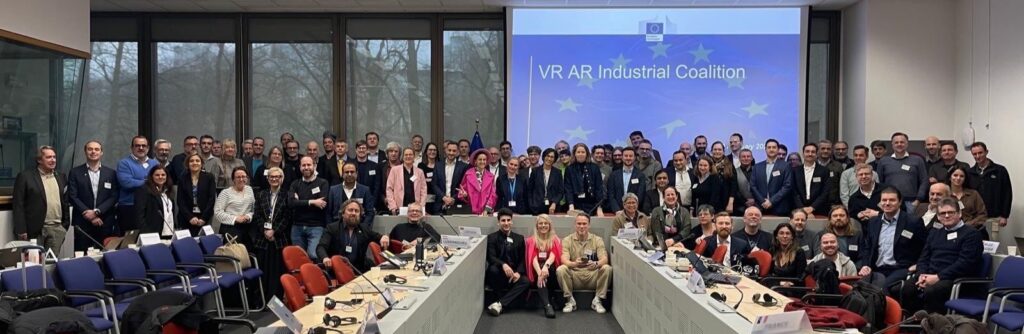
Three EU projects coordinated by the AV department have been presented in a meeting of the Virtual and Augmented Reality Industrial Coalition, hosted by the European Commission in Brussels on February 11th and 12th 2025. The meeting brought together over 110 attendees from more than 80 private and public organisations for discussions about the creation of a Private Public Partnership on Virtual Worlds.
The Augmented Vision department presented its work on extended reality (XR) in the projects CORTEX² (Coordinator: Alain Pagani), LUMINOUS (Coordinator: Zeshan Afzal) and SHARESPACE (Coordinator: Didier Stricker), and participated intensively to the discussions about the Strategic Research and Innovation Agenda (SRIA) of the future Virtual Worlds Partnership.
The topics covered immersion & visualization, intuitive real-time user interaction, standardisation & interoperability, digital twins and XR use cases such as logistics & industry, healthcare, culture media & arts or education.
The department Augmented Vision will continue to represent DFKI in the future partnership on Virtual Worlds with eXtended Reality as key enabling technology.
More information: https://digital-strategy.ec.europa.eu/en/news/virtual-and-augmented-reality-industrial-coalition-remains-committed-solving-real-world-problems
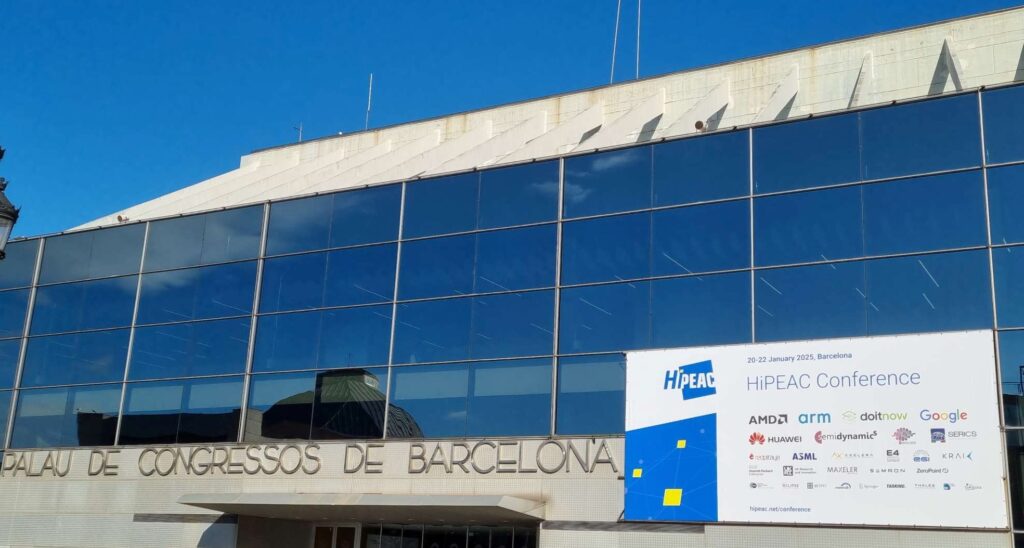
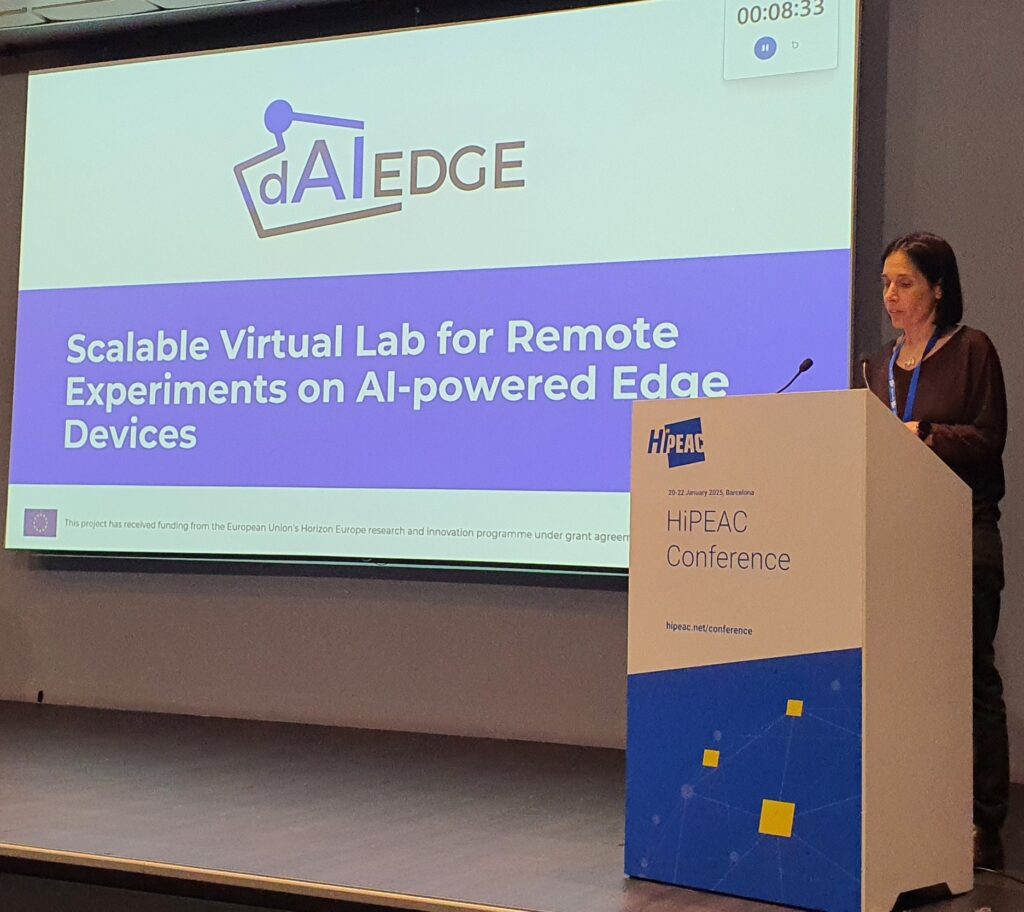
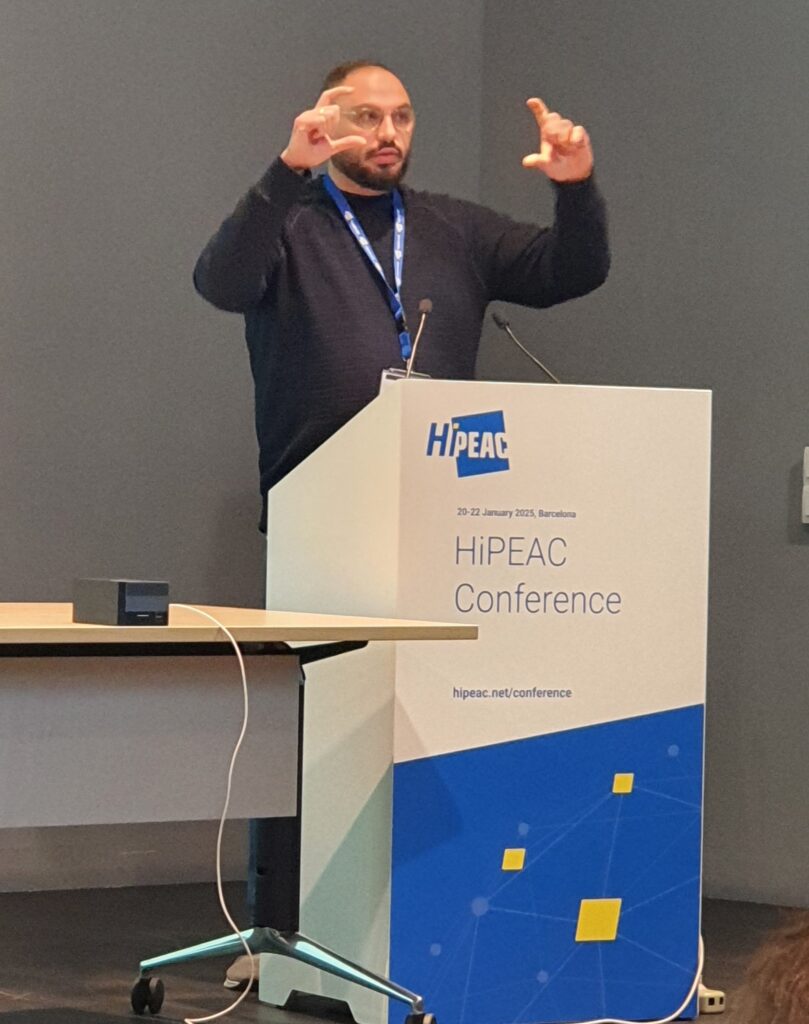
The workshop “Excellence in AI and Edge Computing” held on Monday, 20 January, was dedicated to exploring the frontiers of the AI and edge computing synergy, focusing on the development of scalable and robust AI systems. It opened with a keynote by Dr. Alireza Dehghani from the Irish National Centre for Applied AI CeADAR, followed by the presentation of 15 scientific papers and a demo session. The workshop closed with a matchmaking session about “Industrial investment priorities for successful AI at the Edge in Europe”.
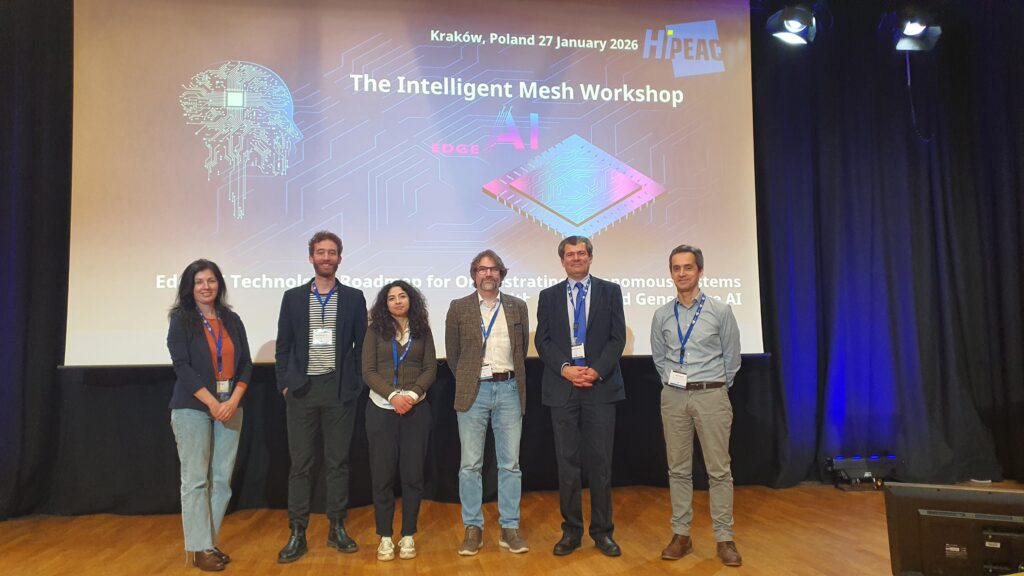
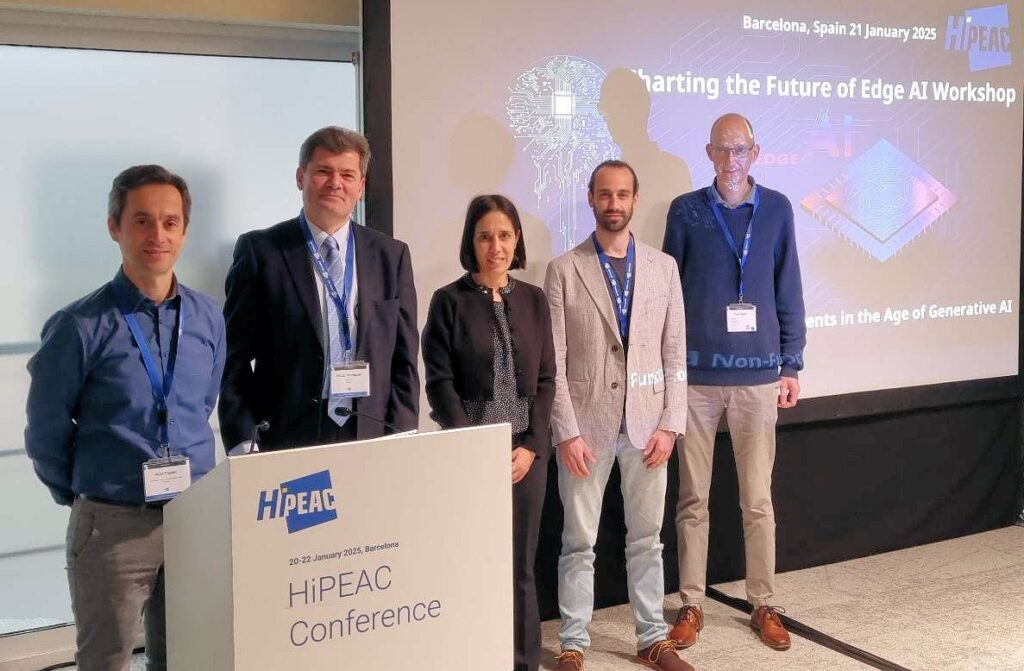
The workshop “Charting the Future of Edge AI: Functional and Non-Functional Requirements in the Age of Generative AI” held on Tuesday, 21 January, was organized by Ovidiu Vermesan (SINTEF) and Alain Pagani (DFKI). It provided a comprehensive platform for stakeholders to exchange ideas, share experiences, and collaborate on advancing edge AI technologies, with a special focus on addressing functional and non-functional requirements defined based on system engineering principles. The three sessions covered “Requirements in the Generative AI Era”, “Technology developments” and “Application developments” with presentations, followed by a panel discussion on Edge AI Future Trends.
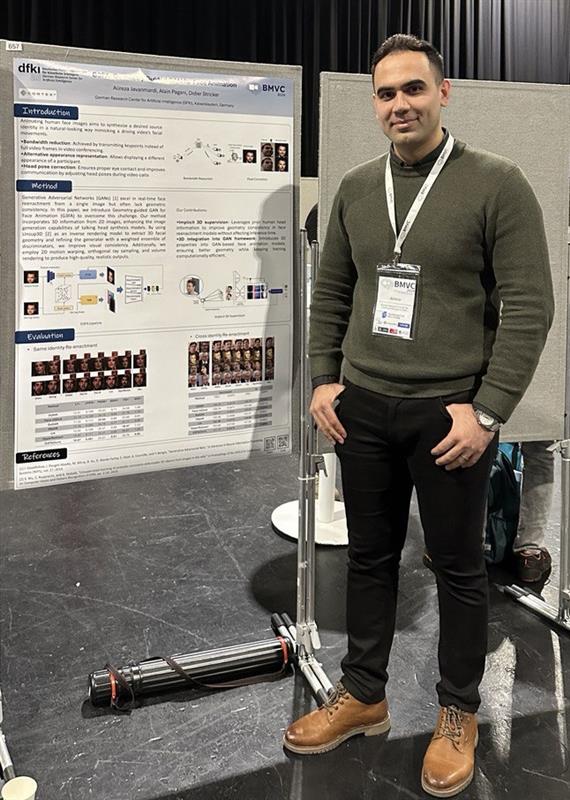
Our paper “G3FA: Geometry-guided GAN for Face Animation” was presented at the British Machine Vision Conference (BMVC) 2024 by Alireza Javanmardi from the Augmented Vision Department DFKI!
The British Machine Vision Conference (BMVC) is one of the major international conferences on computer vision and related areas and is organised by the British Machine Vision Association (BMVA). This year it was held in Glasgow from November 25th to 28th.
Our work presents a method for real-time face re-enactment from one single source image and addresses a key limitation of GAN-based face animation: geometric consistency.
G3FA enhances realism, especially in challenging head poses, by:
Utilizing implicit 3D supervision through inverse rendering to extract depth and normal maps from 2D images, guiding the generator towards greater accuracy.
Employing an ensemble of discriminators to incorporate the 3D properties, improving the generator’s understanding of human head structure.
Leveraging face volume rendering with orthogonal ray sampling and volume rendering for high-quality image synthesis.
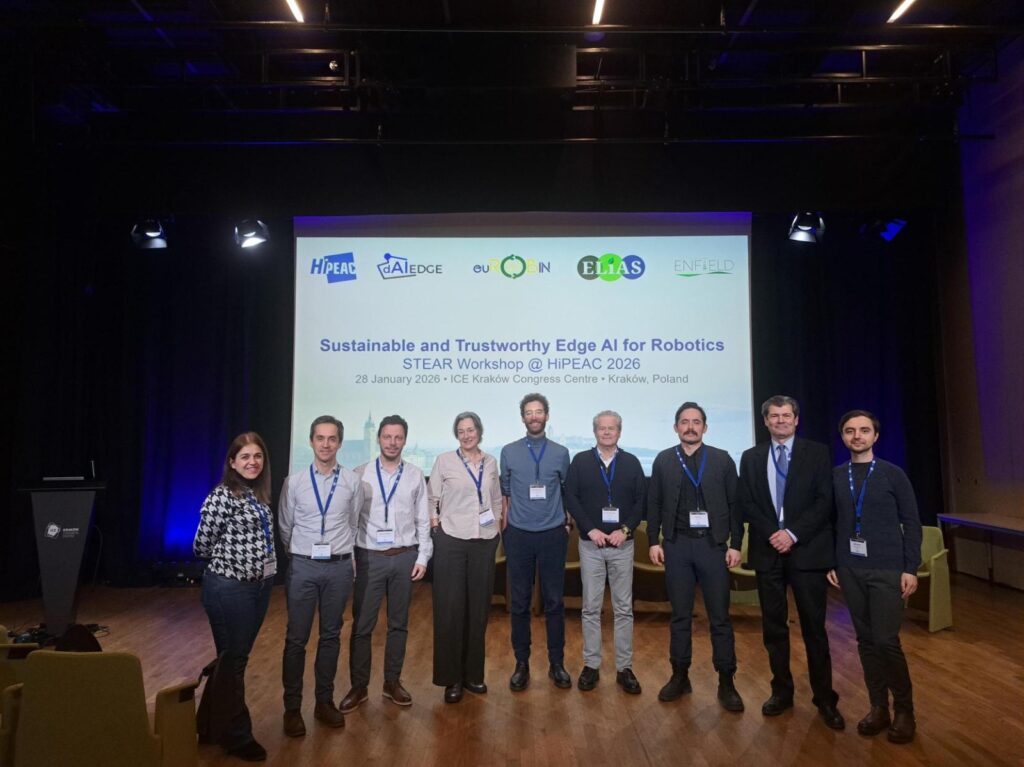
Over the three days, more than 50 presenters took part in 12 keynotes and parallel sessions, addressing more than 20 topics, where participants discussed how Edge AI is redefining the future of technological applications and systems.
dAIEDGE Partners contributed to the EEAI programme with presentations that offered a practical and innovative view of Edge AI in action, highlighting its transformative potential in sectors such as sustainability, energy and security:
FPGA Acceleration for SAR Imagery-Based Sea Ice Mapping: This presentation, by Rashed Al Koutayni (DFKI), addressed the use of FPGA accelerators to improve the speed and accuracy of sea ice mapping using synthetic aperture radar (SAR) imagery.
Functional and Non-Functional Requirements in Edge AI Systems: Ovidiu Vermesan (SINTEF, Norway) and Alain Pagani (DFKI, Germany) discussed the challenges associated with functional and non-functional requirements in Edge AI systems, addressing both operational needs and ethical and legal constraints.
Legal Requirements for Trustworthy Edge AI: Lydia Belkadi from KU Leuven addressed the regulations needed to ensure trustworthy edge AI solutions
The event allowed participants not only to learn from leading experts, but also to network and connect with the best in the industry, strengthening a community of experts and practitioners who are driving innovation in Edge AI.
The researchers of the Augmented Vision department presented their latest research activities in the field of eXtended Reality at the EuroXR conference in Athens, from November 27th to 29th, 2024.
The European Association for eXtended Reality (EuroXR) Conference is the ultimate gathering for Virtual Reality (VR), Augmented Reality (AR), and Mixed Reality (MR). This year, the conference was co-organized by the Institute of Communication and Computer System (ICCS) of the National Technical University of Athens (NTUA).
This year, a joint event on Next Generation XR was co-organized by six European Projects, among them CORTEX2, LUMINOUS and SHARESPACE, all coordinated by the Augmented Vision department at DFKI.
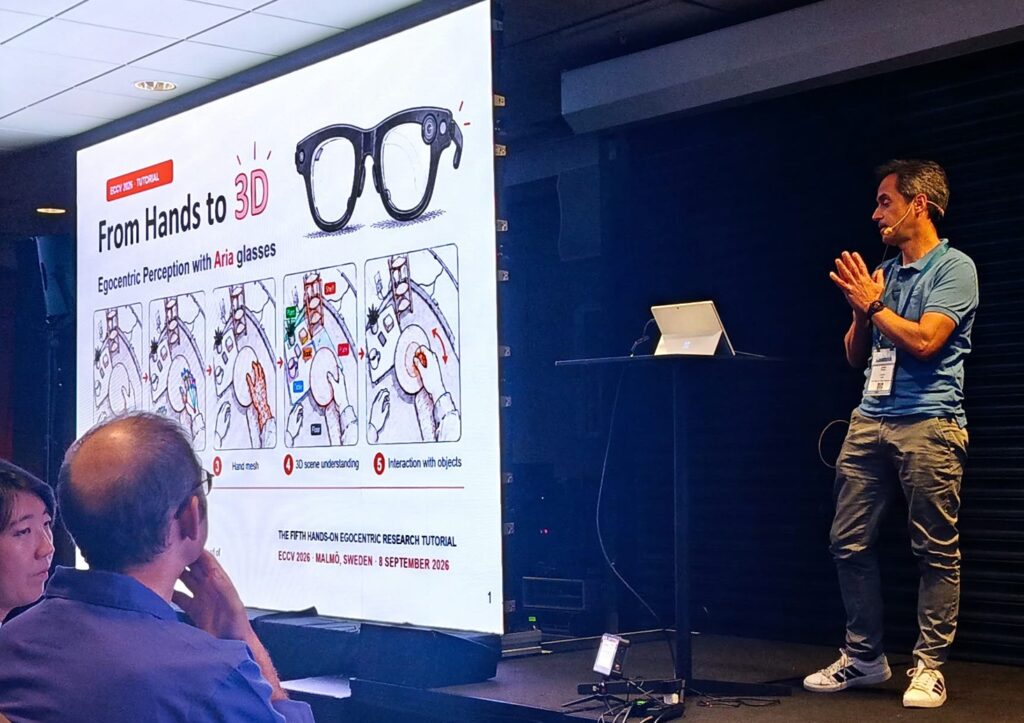
Alain Pagani presented the recent work on cooperative telepresence in the project CORTEX2
Zeshan Afzal featured the use of language models for XR in the project LUMINOUS
The coordinators took part in a panel discussion about the “Future of XR”, in which they could share their view about the next steps in XR research and development.
In addition, the AV group presented two application papers and one demonstrator, which attracted the interest of the conference participants
The Network of Excellence dAIEDGE held its General Assembly meeting on September 5th and 6th, looking back at the achievements of the last 12 months, and preparing the next steps of the network! It’s been two days full of inspiration and breakthroughs in Heraklion, Crete!
The 36 dAIEDGE partners gathered to share achievements and define the roadmap towards our big goal: To make Europe a world leader in AI and data economy!
During this event, we reinforced our strategic partnerships and strengthened our joint commitment to take technological innovation to another level.
A big thank to our partner ICS-FORTH for being exceptional hosts and making this assembly an unforgettable experience.
We continue to move forward together towards a bright future of innovation and growth!
The 4th IEEE Workshop On AI Hardware: Test, Reliability And Security (AI-TREATS) held on May 23th and 24th 2024 was a great success!
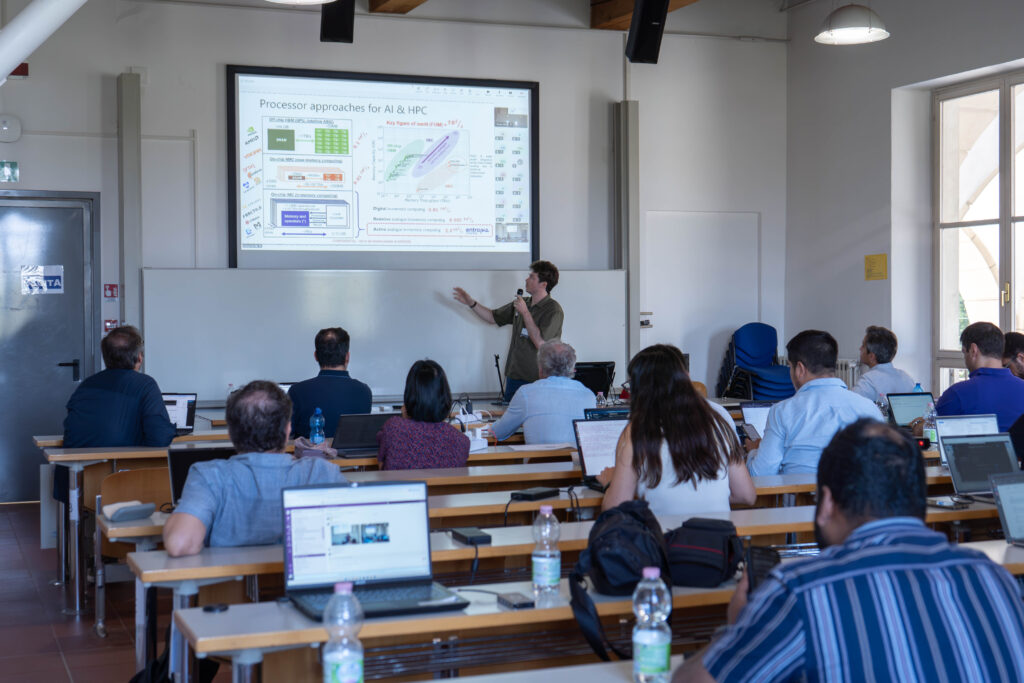
The event, co-located with the 29th IEEE European Test Symposium, explored the recent advances in edge AI under the aspects of security, trust and testing. The workshop gathered many researchers with 15 presented papers, and a keynote by Prof. Yanjing Li (University of Chicago, USA).
On the opening day, Alain Pagani participated to a Panel Discussion about Networks of Excellence on Edge AI in Europe. Together with Mateo Sonza Reorda (Politecnico di Torino Italy, FAIR project) and Ovidiu Vermesan (SINTEF, Norway, EdgeAI project), he could present dAIEDGE and the main aspects of the Network of Excellence on Edge AI.
The workshop chaired by Annachiara Ruospo (Politecnico di Torino, Italy) and Haralampos Stratigopoulos (Sorbonne Universtié, France) was co-sponsored and co-organised by FAIR, dAIEDGE and EdgeAI
We are proud to announce that the researchers of the department Augmented Vision will present 6 papers at the upcoming CVPR conference taking place Mon Jun 17th through Fri Jun 21st, 2024 at the Seattle Convention Center, Seattle, USA.
The CVPR conference is the premier international conference in computer vision and pattern recognition.
HiPose: Hierarchical Binary Surface Encoding and Correspondence Pruning for RGB-D 6DoF Object Pose Estimation Yongliang Lin, Yongzhi Su, Praveen Nathan, Sandeep Inuganti, Yan Di, Martin Sundermeyer, Fabian Manhardt, Didier Stricker, Jason Rambach, Yu Zhang
SG-PGM: Partial Graph Matching Network with Semantic Geometric Fusion for 3D Scene Graph Alignment and Its Downstream Tasks Yaxu Xie, Alain Pagani, Didier Stricker
CAD-SIGNet: CAD Language Inference from Point Clouds using Layer-wise Sketch Instance Guided Attention Mohammad Sadil Khan, Elona Dupont, Sk Aziz Ali, Kseniya Cherenkova, Anis Kacem, Djamila Aouada
EventEgo3D: 3D Human Motion Capture from Egocentric Event Streams Christen Millerdurai, Hiroyasu Akada, Jian Wang, Diogo Luvizon, Christian Theobalt, Vladislav Golyanik
Congratulations to the authors for this great achievement!
We are happy to announce that the Augmented Vision group presented 2 papers in the IEEE/CVF Winter Conference on Applications of Computer Vision (WACV) that took place from the 4th -8th January 2024 in Waikoloa, Hawaii.